THE KID-SAFE SOCIAL PLAY APP FOR REAL FRIEND GROUPS
The digital gathering place for real friend groups — a living, playable world.
Social Play means playful interaction with others: friends chat, create, share and play together — shaping their Dings and their shared world along the way.
 Friends only. No strangers.No ads. No influencers. No endless feed.Built from the ground up for kids and teens.

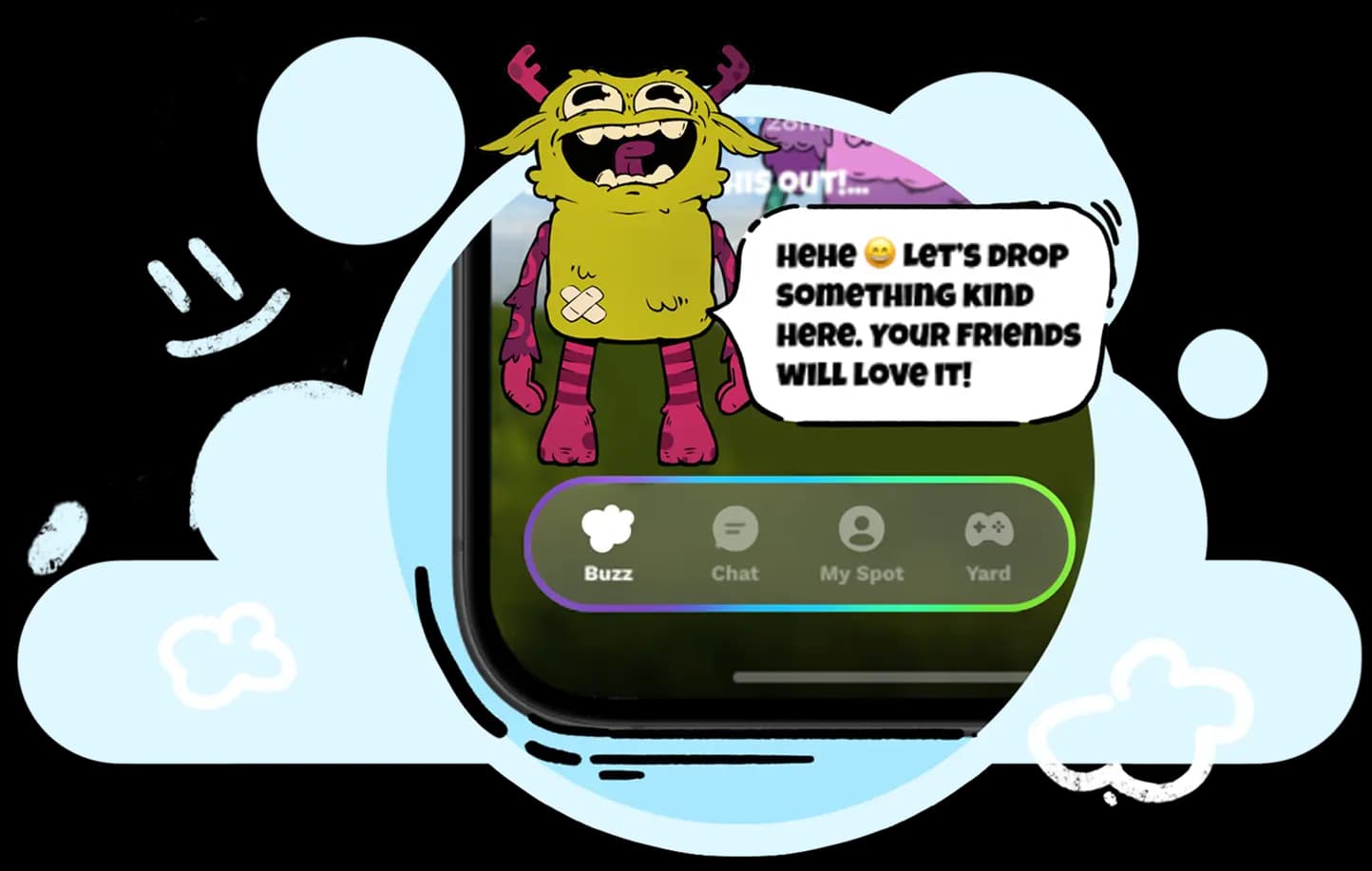
Concept visuals — final 3D artwork in development
Why kids and teens love it. Why parents can say yes.
Ein digitaler Ort, der Kindern guttut
- •Geschützt mit echten Freunden: Geschlossene Gruppen, klare Regeln und altersgerechte Moderation.
- •Snëqs, MySpot, Buzz, friendship books and the diary let them shape their own digital world.
- •Together they develop their Dings — something that belongs to their friend group.
- •Stories, minigames and the Yard make their shared world living and playable.
A digital place that is good for kids
- •Safe with real friends: Closed groups, clear rules and age-appropriate moderation.
- •Active, not passive: Chat, play and create together instead of mainly consuming content.
- •Less pull: No ads, influencers or endless feeds designed to keep kids engaged for as long as possible.
- •Digital as a complement: snërqq is not meant to displace movement, sleep, nature or face-to-face experiences.
The Dings - the heart of snërqq
Every friend group creates its own Dings — a shared creature they shape, develop and take with them throughout the snërqq world.
The Dings makes Social Play tangible: what friends do and experience together becomes part of their shared story.


Loading...
snerqq lives as a world
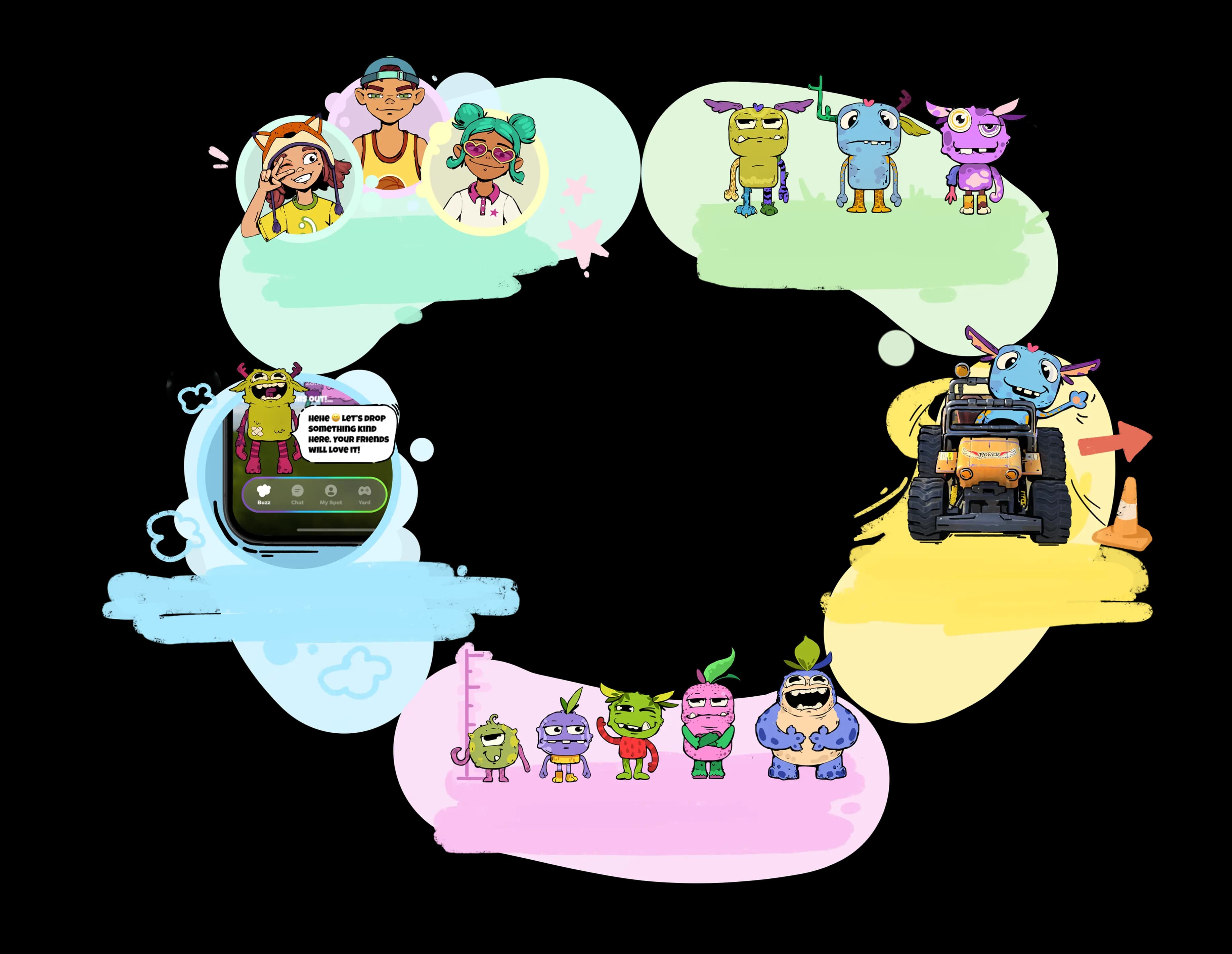
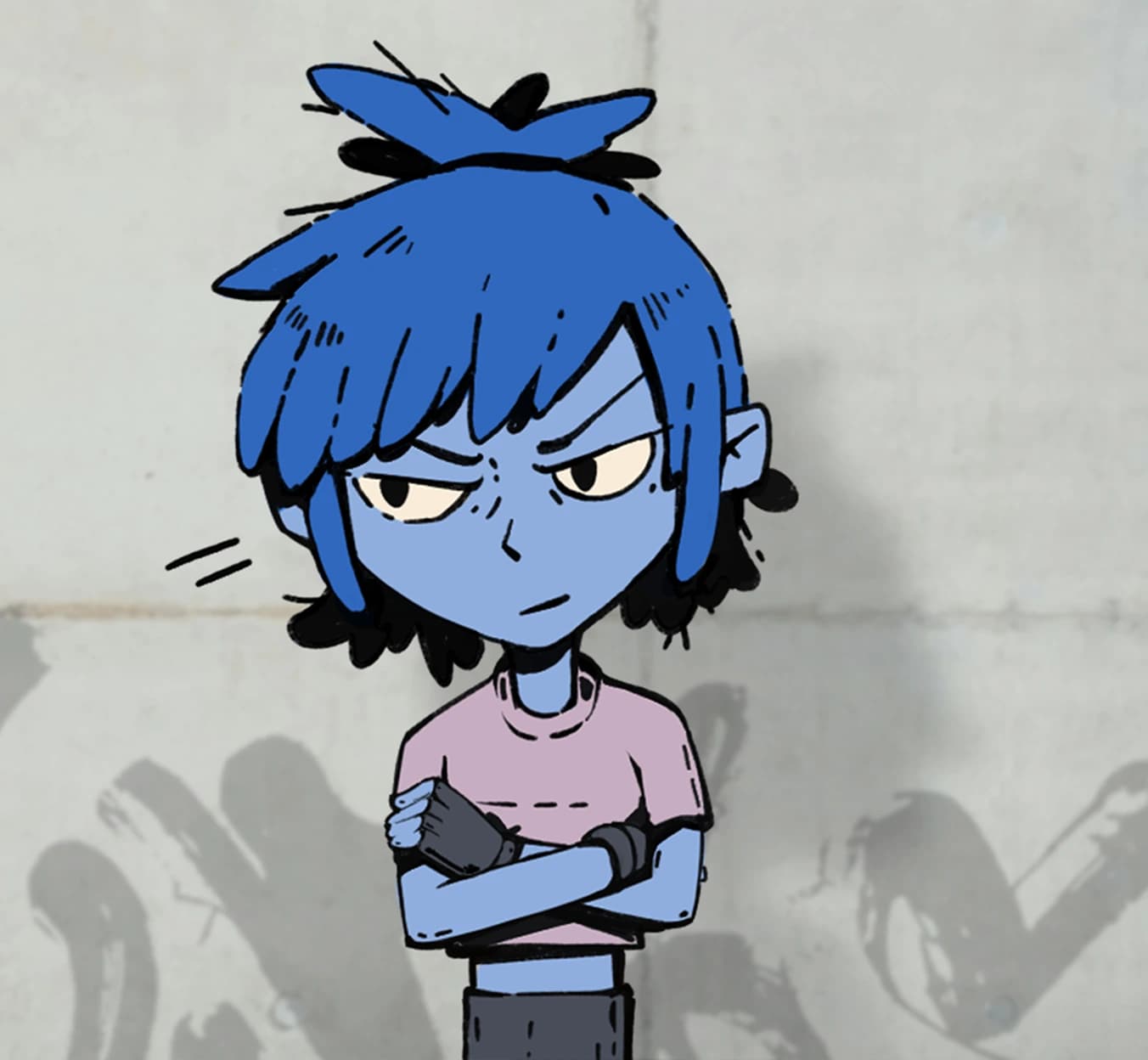
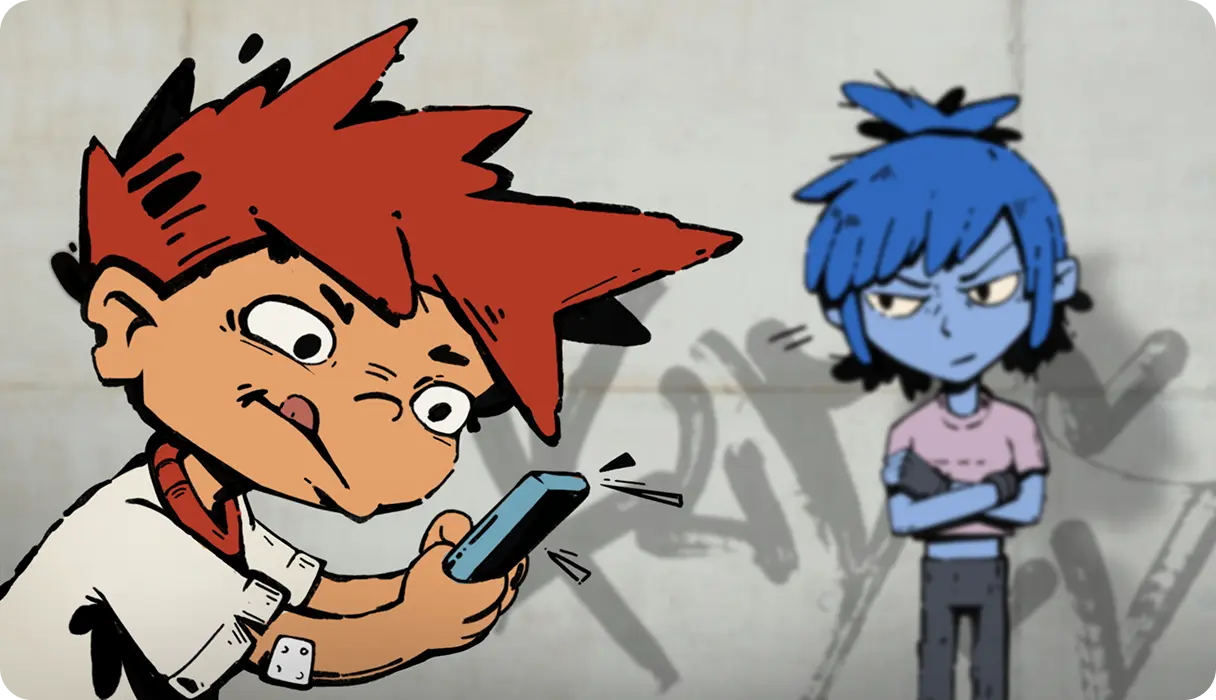
This is where the story of the Yard Crew unfolds. The characters appear across different layers and in different roles — as part of clips, games, the interface and the system itself. They create recognition, provide orientation and inspire children to create ideas and content of their own.





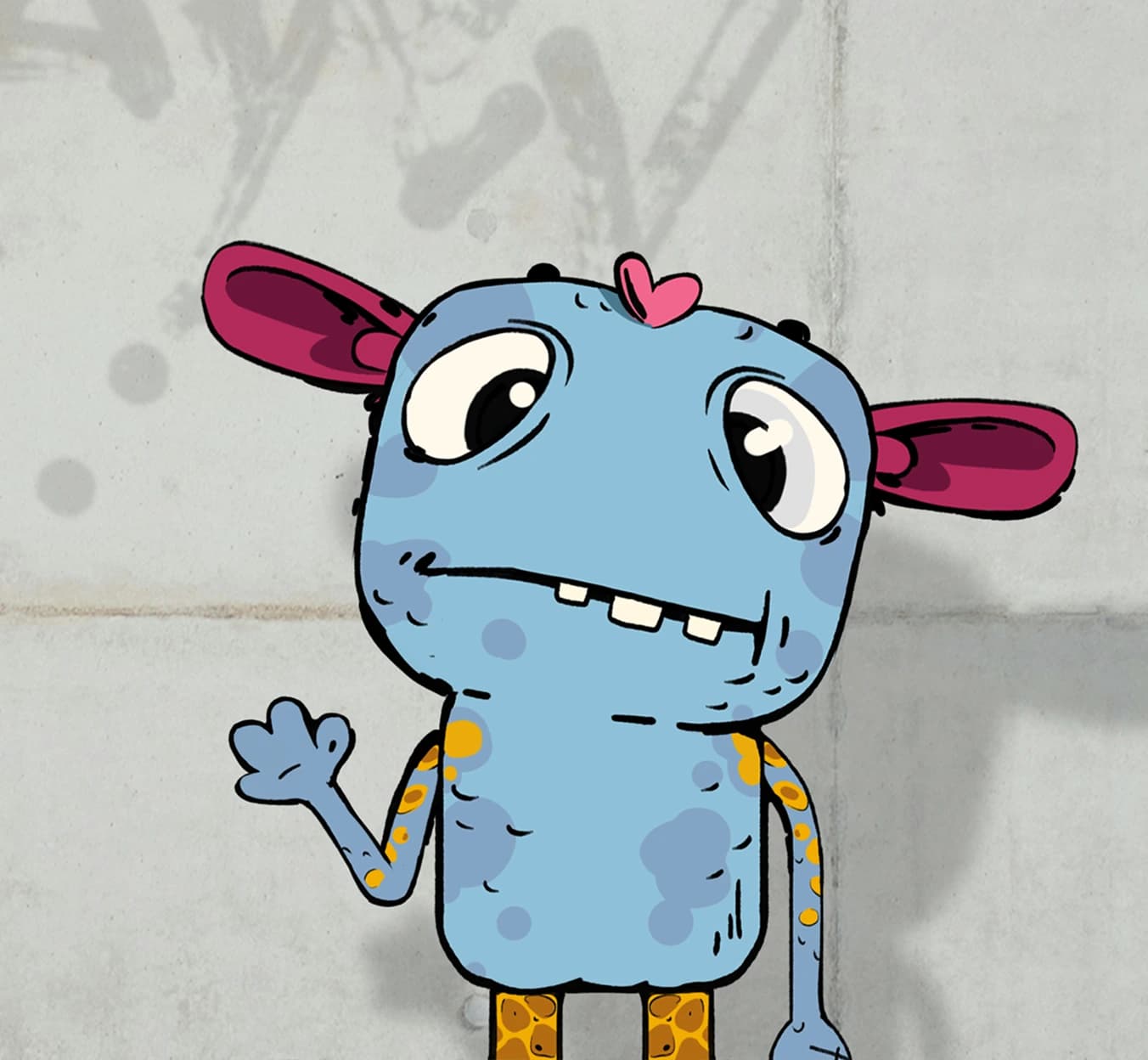



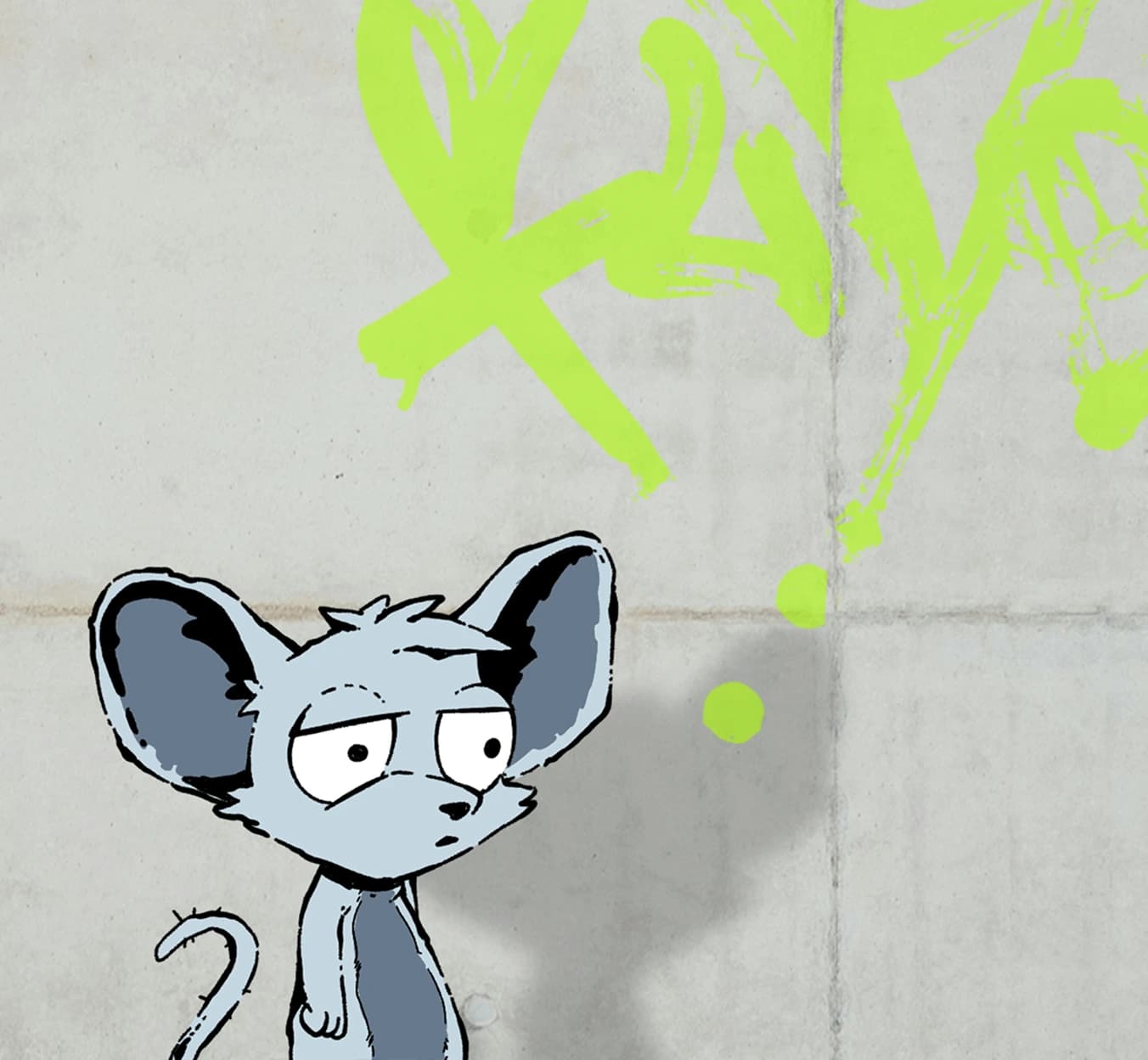


Bronsky
Ambri
Rocky
Tyler
The Dings
Marie
Petri
Romy
Jeff
Herr Knüsel
Digital spaces shape social experiences
Free platforms make money by keeping children online for as long as possible. Children grow up inside systems optimized for attention, visibility and constant activity.
Product design makes a difference
Public networks, contact with strangers, influencers, social metrics and constantly refreshed content create a very different dynamic from a closed space built around existing friends.
This is bigger than ordinary screen time.
Snërqq puts the friend group at the centre. Kids and teens communicate, create and play with people they know — inside a world designed around shared experiences.

The business model shapes the product too
Advertising-funded platforms are financed through attention and reach.
Snërqq is supported through membership. That allows a different goal to guide the product: creating an engaging digital environment for kids and teens where friendship, creativity and shared play take centre stage.
Why snërqq is built differently
From social consumption to Social Play
snërqq brings communication, creativity and play together around existing friendships. Kids and teens chat, create Snëqs, share experiences, develop their Dings together, follow stories and play in the Yard. That is Social Play — playful interaction with others.
The friend group becomes more than a contact list. What friends do together becomes part of a shared experience and a world that belongs to them as a group.

An age-appropriate digital system
Safety is part of the product architecture
snërqq is built from the ground up for kids and teens. Closed friend groups provide a clear social framework. Parental approval, privacy, age-appropriate rules and integrated moderation form the trust layer of the system.
Characters such as Bronsky bring rules directly into the world. The Dings can make group states visible and respond to how the group interacts. Natural transitions and the absence of an endless feed give the experience clear stopping points.
snërqq therefore brings together what kids and teens look for online — meeting friends, communicating, creating and playing — within a product architecture parents can understand and evaluate.
Learn more about child safety